Introduction
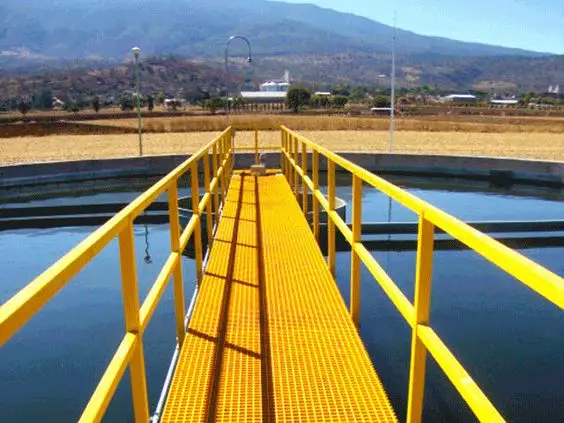
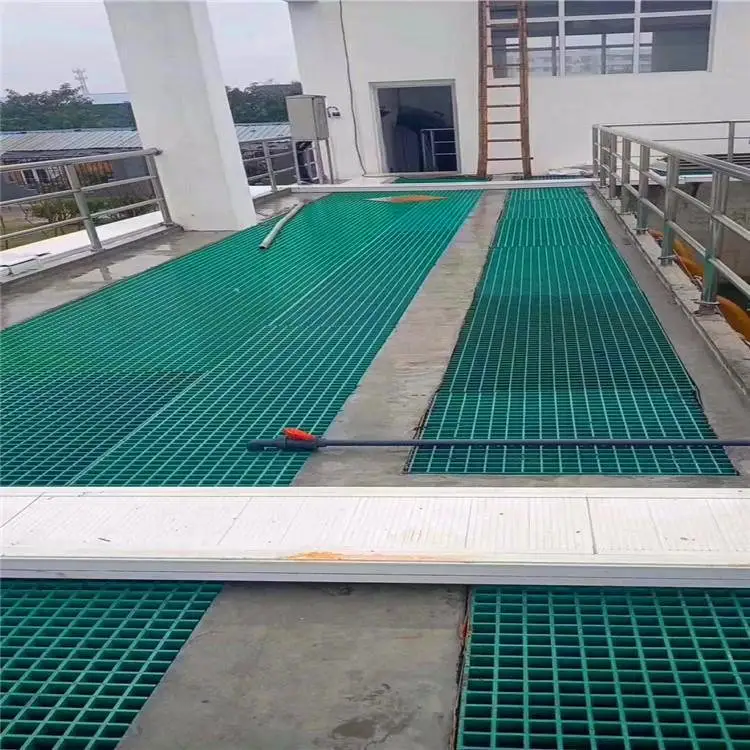
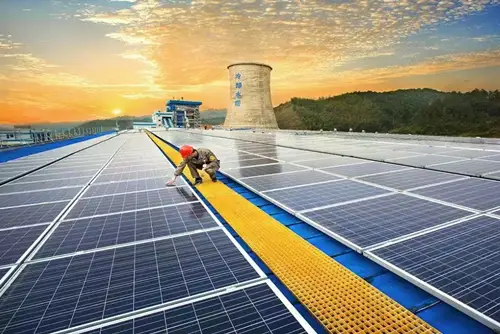
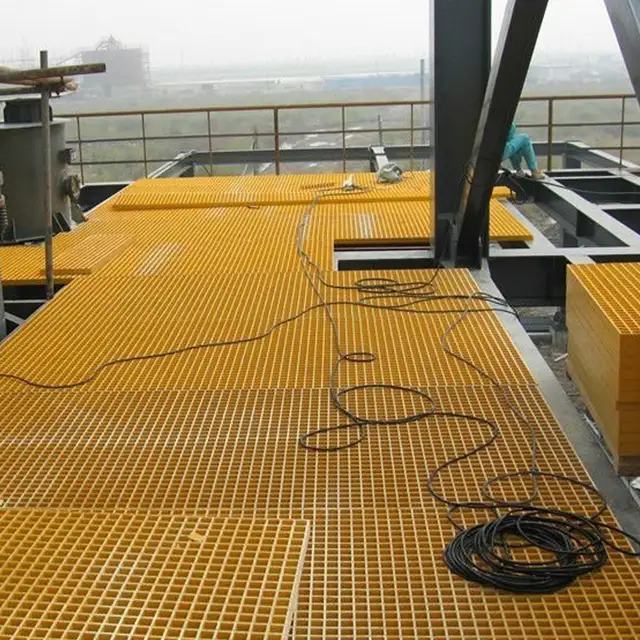
When it comes to industrial platform construction, the choice of decking material directly impacts safety, lifespan, and operating costs. FRP grating for platforms has emerged as the preferred alternative to traditional steel grating across industries ranging from offshore oil and gas to chemical processing and water treatment.
Fiberglass Reinforced Plastic (FRP) grating offers a unique combination of corrosion resistance, lightweight construction, high strength-to-weight ratio, and low maintenance that makes it ideally suited for platform walkways, access platforms, mezzanine decks, and elevated working surfaces. Unlike steel, FRP does not rust, does not require painting or coating, and provides inherent electrical insulation and fire-retardant properties depending on the resin system selected.
This comprehensive guide covers everything you need to know about FRP grating for platforms — from the different types available and their load capacities to selection criteria, installation methods, and a detailed cost comparison against steel. Whether you are an engineer specifying materials for a new build, a facility manager evaluating replacement options, or a procurement professional comparing bids, this guide will help you make an informed decision.
What Is FRP Grating for Platforms?
Composition and Manufacturing Process
FRP grating for platforms is manufactured by combining fiberglass reinforcement with a thermosetting resin matrix. The fiberglass provides tensile strength and dimensional stability, while the resin binds the fibers together and provides chemical and environmental resistance. Common resin systems include polyester (general purpose), vinyl ester (enhanced corrosion resistance), and phenolic (fire-resistant, low smoke).
The manufacturing process varies by grating type. In molded grating, continuous fiberglass rovings are placed in a mold and saturated with resin under heat and pressure, creating a one-piece, integrally bonded structure. In pultruded grating, fiberglass reinforcements are pulled through a resin bath and then through a heated die to create individual bars, which are later assembled into a panel using cross rods or shearing techniques.
Key Benefits for Platform Applications
- Corrosion resistance: FRP does not rust, rot, or degrade in harsh chemical environments, making it ideal for platform walkways in chemical plants, refineries, and offshore installations.
- Lightweight: FRP grating weighs approximately 60-70% less than steel, reducing structural support requirements and simplifying installation on elevated platforms.
- High strength-to-weight ratio: Despite its light weight, FRP grating can support heavy loads, with some industrial-grade panels rated for over 1,000 psf.
- Low maintenance: No painting, galvanizing, or coating required over the service life, which significantly reduces lifecycle costs.
- Electrical and thermal insulation: FRP is non-conductive, providing safety in electrical environments and reducing thermal transfer.
- Slip resistance: Optional gritted top surfaces provide excellent traction even in wet, oily, or icy conditions.
Types of FRP Grating for Platforms
Understanding the types of FRP grating for platforms is essential for selecting the right product for your specific application. The two primary manufacturing methods — molded and pultruded — produce gratings with distinctly different performance characteristics, each suited to particular platform environments.
Molded FRP Grating
Molded FRP grating, also known as compression-molded grating, is manufactured in a single-piece process where fiberglass rovings and resin are placed in a mold under heat and hydraulic pressure. This creates a monolithic panel with an integral surface texture. Molded grating typically features a square or rectangular mesh pattern and is available in depths ranging from 1" to 2".
Best for: FRP offshore platform grating applications, chemical plant flooring, and general industrial platform walkways where corrosion resistance and slip resistance are primary concerns. Molded grating offers excellent chemical resistance and is available with grit-embedded top surfaces for superior traction.
Key characteristics:
- One-piece construction — no joints or separate bars
- Available in standard panel sizes (typically 4 ft x 8 ft)
- Integral grit top surface for slip resistance
- Good for medium load applications (up to 400 psf)
- Cost-effective for standard industrial platforms
Pultruded FRP Grating
Pultruded FRP grating is fabricated from individual pultruded fiberglass bars that are mechanically assembled using cross rods or a shearing process. This method allows for greater design flexibility, including custom span lengths, higher load capacities, and the ability to incorporate I-beam or T-beam bearing bars for maximum strength.
Best for: Heavy-duty platform applications, long-span mezzanine decks, and high-traffic industrial walkways where maximum load capacity is required.
Key characteristics:
- Higher strength-to-weight ratio than molded grating
- Available in deeper sections (up to 4 in or more)
- Customizable bearing bar spacing, depth, and thickness
- Suitable for very high load applications (1,000+ psf)
- Generally higher cost than molded grating due to more complex manufacturing
Molded vs Pultruded: Which Is Best for Industrial Platforms?
For most general-purpose platform walkways and access areas, molded FRP grating offers the best balance of cost, performance, and slip resistance. For heavy-load applications such as equipment support platforms, crane walkways, or main thoroughfares with forklift traffic, pultruded grating is the preferred choice due to its superior load-bearing capacity.
Load Capacities of FRP Grating for Platform Decking
Knowing the load capacity of FRP grating for platforms is critical for safe design and code compliance. Load ratings vary significantly based on the grating type, depth, bearing bar configuration, and span between supports.
Understanding Load Ratings and Span Tables
FRP grating load capacity is expressed as the maximum uniform load (psf) or concentrated load (lbs) that a panel can safely support at a given span. Manufacturers provide span tables that list safe load capacities for each grating type and depth at various support spacings.
| Grating Type | Depth | Max Span at 200 psf | Max Span at 400 psf | Max Span at 1,000 psf |
|---|---|---|---|---|
| Molded FRP 1 in | 1.0 in | 24 in | 18 in | — |
| Molded FRP 1.5 in | 1.5 in | 30 in | 24 in | — |
| Pultruded FRP 1.5 in | 1.5 in | 36 in | 30 in | 18 in |
| Pultruded FRP 2 in | 2.0 in | 42 in | 36 in | 24 in |
Note: Values are representative. Always consult the manufacturer’s certified span tables for your specific grating product.
Safety Factors and Deflection Limits
For platform decking, the standard safety factor is 2:1 against ultimate failure, though more conservative factors (3:1) are specified for pedestrian walkways under OSHA and IBC codes. Deflection is typically limited to L/100 or L/150 (where L is the span length), depending on the application. For FRP grating for platform walkways accessible to personnel, deflection limits are stricter to ensure stability and comfort.
When evaluating load capacities for platform decking, consider both uniform loads (snow, equipment placement, crowd loading) and concentrated point loads (wheel loads from carts or dollies, ladder landings, support legs). Pultruded grating generally handles concentrated loads better than molded due to its directional strength profile.
How to Choose the Right FRP Grating for Platform Walkways
Selecting the correct FRP grating for platform walkways involves evaluating several interrelated factors, including the operating environment, load requirements, safety standards, and budget. This section breaks down the key selection criteria.
Resin Selection: Polyester, Vinyl Ester, or Phenolic
The resin system determines the chemical resistance, fire performance, and temperature tolerance of your FRP grating:
- Polyester resin is the standard choice for general industrial platform walkways in dry or mildly corrosive environments. It offers good mechanical properties at the lowest cost.
- Vinyl ester resin provides enhanced corrosion resistance for harsh chemical environments, including exposure to acids, alkalis, and solvents common in chemical processing plants and refineries.
- Phenolic resin delivers superior fire resistance, low smoke generation, and excellent performance in offshore and marine environments. Phenolic FRP grating is often specified for FRP offshore platform grating where fire safety codes require low flame spread and smoke density.
Surface Options for Slip Resistance
For platform walkways, slip resistance is a critical safety factor. FRP grating manufacturers offer several surface treatments:
- Gritted top surface: Silicon carbide or aluminum oxide grit is embedded into the top surface during manufacturing, providing excellent slip resistance in wet, oily, or icy conditions.
- Concave or meniscus surface: The natural molded surface provides moderate slip resistance suitable for dry indoor platforms.
- Gritted top and bottom: For applications where the grating may be walked on from either side (elevated and accessible from below).
For wet environments, a gritted top surface is strongly recommended. This directly answers the question: Is FRP grating slip-resistant enough for platform walkways in wet environments? Yes — when specified with the appropriate grit surface, FRP grating meets or exceeds OSHA slip-resistance standards for wet industrial walkways.
Environmental Considerations
Evaluate the specific conditions your FRP grating for platforms will face:
- UV exposure: For outdoor platforms, specify UV-inhibited resin additives to prevent surface degradation and color fading over time.
- Temperature range: Standard FRP grating performs well from -40°F to 180°F. For higher temperatures, special resin formulations are required.
- Chemical exposure: Consult chemical resistance charts provided by manufacturers to verify compatibility with specific chemicals present in your facility.
FRP Grating vs Steel Grating: A Comprehensive Comparison
When specifying decking for industrial platforms, the most common comparison is between FRP grating for platforms and traditional steel grating. Each material has distinct advantages, and the best choice depends on the specific application requirements, environmental conditions, and lifecycle cost objectives.
Lifespan and Durability
Steel grating for platform and walkway applications can last 10-20 years in mild indoor environments with proper maintenance. However, in corrosive environments — chemical plants, offshore platforms, wastewater facilities, coastal locations — steel grating may require replacement in as little as 3-5 years due to rust and corrosion.
FRP grating, by contrast, has a service life of 20-30+ years in the same corrosive conditions without rusting or degrading. FRP does not require painting, galvanizing, or any protective coating. The inherent corrosion resistance of fiberglass reinforced plastic means that FRP grating outperforms steel in terms of lifespan by 200-300% in aggressive environments.
Weight and Installation Differences
FRP grating weighs approximately 60-70% less than steel grating with equivalent load capacity. A typical 1.5-inch FRP panel weighs about 4-6 lbs per square foot, while steel grating of comparable strength weighs 10-15 lbs per square foot. This weight advantage translates to:
- Lower structural steel requirements for support beams and columns
- Easier handling and installation — one person can carry an FRP panel that would require two or more for steel
- Reduced transportation costs
- Less fatigue on elevated platform support structures over time
Total Cost of Ownership Analysis
While the upfront purchase price of FRP grating is typically 1.5 to 2.5 times higher than steel, the total cost of ownership over a 20-year period strongly favors FRP. Consider this comparison for a typical 1,000 sq ft platform installation:
| Cost Factor | Steel Grating | FRP Grating |
|---|---|---|
| Material (1,000 sq ft) | $5,000-$8,000 | $10,000-$18,000 |
| Installation labor | $3,000-$4,500 | $1,500-$2,500 |
| Painting/coating (10 yr) | $4,000-$6,000 | $0 |
| Replacement (20 yr) | $5,000-$8,000 (at yr 10) | $0 |
| Total 20-year cost | $17,000-$26,500 | $11,500-$20,500 |
As the table demonstrates, despite the higher initial purchase price, FRP grating delivers significant lifecycle savings due to zero maintenance costs, longer service life, and easier installation.
Installation Requirements for FRP Grating on Elevated Platforms
Proper installation is critical to ensuring the longevity and safety of FRP grating for platforms. While FRP is lighter and easier to work with than steel, it does require specific techniques to avoid damage during installation. Here are the key installation requirements and best practices.
Cutting and Fabrication on Site
FRP grating can be cut on site using standard power tools. Unlike steel, FRP grating for platforms does not require thermal cutting (torches) or heavy grinding equipment. Essential guidelines include:
- Use carbide-tipped blades for cutting FRP — standard abrasive blades wear quickly and produce excessive dust.
- Cut dry or with water mist — FRP dust can be an irritant, so use a dust collection system and wear appropriate respiratory protection.
- Drill pilot holes for bolt attachments rather than punching or stamping, which can cause delamination around the hole.
- Deburr cut edges with a file or sandpaper to remove sharp fiberglass splinters and prevent injury during handling.
Fastening Systems and Support Structure
FRP grating must be secured to the support structure using compatible fastening systems. The support structure itself is typically steel or fiberglass, and the fastening method must accommodate thermal expansion and prevent galvanic corrosion:
- Hold-down clips: Purpose-engineered FRP or stainless steel clips that secure the grating to support beams without drilling through the grating itself. These are the preferred method as they allow for thermal movement.
- Stainless steel hardware: If bolts or screws are used, always specify stainless steel to prevent galvanic corrosion between the fastener and the grating.
- Bearing bar notching: For grating that must fit around columns or equipment, notch the bearing bars rather than cutting large openings that compromise structural integrity.
- Support spacing: Ensure support beams are spaced according to the manufacturer span table for the specific grating type and load requirement. Standard spacing for 1.5-inch molded grating at 200 psf is typically 24-30 inches on center.
Safety Best Practices During Installation
When installing FRP grating on elevated platforms, follow these safety procedures:
- Always install perimeter guardrails or safety netting before working at height.
- Stage grating panels at ground level and lift into position using tag lines to control swing.
- Install temporary decking or safety planks as work proceeds — never create gaps in the walking surface.
- Secure grating immediately upon placement — do not leave loose panels unattended at height.
- Verify that all fasteners are torqued to specification and locking mechanisms are engaged before allowing access.
Is FRP Grating Slip-Resistant Enough for Platform Walkways?
Slip resistance is one of the most frequently asked questions about FRP grating for platform walkways, especially for applications in wet, oily, or offshore environments. The short answer is yes — FRP grating can be manufactured with excellent slip-resistant properties that meet or exceed industry safety standards.
Gritted vs Gritless Surface Options
The slip resistance of FRP grating depends primarily on its surface finish:
- Gritted surface (standard on molded grating): Silicon carbide or aluminum oxide grit is embedded into the top surface during the molding process, creating a rough, aggressive surface texture. Gritted FRP grating typically achieves a Coefficient of Friction (COF) of 0.6-0.8 when tested wet, which exceeds the OSHA minimum of 0.5 for walkway surfaces.
- Concave or meniscus surface: The natural surface profile of molded grating, created by the molding process, features slight depressions between ribs. This provides moderate slip resistance with a wet COF of approximately 0.5-0.6, making it suitable for dry indoor platforms.
- Gritless pultruded grating: Standard pultruded bars have a smooth surface unless specified with a grit top. For pultruded grating in wet environments, specify grit-embedded bearing bars to ensure adequate slip resistance.
Performance in Wet and Offshore Environments
For FRP offshore platform grating, slip resistance is paramount. Crew members working on offshore oil and gas platforms must navigate walkways exposed to sea spray, rain, hydraulic fluids, and oil. In these demanding conditions:
- Gritted molded FRP grating with a mesh pattern provides the best combination of drainage and traction. The open mesh allows water and debris to pass through, while the grit surface maintains grip.
- Independent testing has confirmed that gritted FRP grating retains its slip resistance even after years of exposure to UV, saltwater, and chemical cleaning agents — the grit is integrally molded, not painted or applied as a coating that could wear off.
- For platform walkways in food processing, pharmaceutical, or other washdown environments, FRP grating with gritted surfaces provides reliable slip resistance even when continuously wet and exposed to cleaning chemicals.
When slip resistance is a concern, always specify FRP grating with an integral grit surface and request the manufacturer’s certified COF test data for wet conditions.
How Much Does FRP Grating for Industrial Platforms Cost?
Understanding the cost of FRP grating for industrial platforms is essential for budgeting and material selection. Pricing varies widely based on the type of grating, resin system, surface finish, panel size, and quantity ordered.
Cost Comparison: FRP vs Steel Grating per Square Foot
Here is a representative pricing breakdown for common FRP grating types used in platform applications compared to steel alternatives. Prices are approximate for standard configurations.
| Product Type | Typical Price per sq ft | Typical Applications |
|---|---|---|
| Molded FRP (polyester, 1.5 in) | $12-$18 | General platform walkways, mezzanines |
| Molded FRP (vinyl ester, 1.5 in) | $16-$24 | Chemical plant platforms, corrosive environments |
| Pultruded FRP (polyester, 2 in) | $22-$35 | Heavy-duty industrial platforms, high-load areas |
| Pultruded FRP (phenolic, 2 in) | $28-$40 | FRP offshore platform grating, fire-rated areas |
| Steel grating (standard, painted) | $5-$8 | Indoor or dry platform applications |
Factors That Affect FRP Grating Pricing
Several variables influence how much FRP grating for industrial platforms costs per square foot:
- Resin type: Vinyl ester and phenolic resins cost significantly more than polyester but provide superior chemical and fire resistance. The resin can account for 40-60% of the total material cost.
- Grating depth: Deep-section gratings (2 inches or more) use more material and cost more than standard 1-inch or 1.5-inch panels.
- Surface finish: Gritted surfaces add a small premium (typically 5-10%) compared to standard surfaces but are essential for wet-environment slip resistance.
- Panel size and quantity: Custom panel sizes and small quantities command higher per-unit pricing. Full truckload orders (10,000+ sq ft) can reduce costs by 15-25%.
- Cutting and fabrication: Pre-cut panels with factory-finished edges, cutouts for columns, or notched bearing bars will cost more than standard rectangular panels but save significant installation time.
When requesting quotes, provide your supplier with the exact span, load requirement, environmental conditions, and preferred resin type to get an accurate price. Remember that while FRP has a higher upfront cost than steel, the total cost of ownership over 20+ years is typically lower due to zero maintenance requirements and longer service life.
Conclusion
FRP grating for platforms represents a significant advancement in industrial decking technology, offering a compelling combination of corrosion resistance, light weight, high strength, and low lifecycle costs. Whether you need molded grating for general platform walkways or pultruded grating for heavy-duty industrial platforms, FRP delivers performance that steel simply cannot match in corrosive or demanding environments.
To summarize the key takeaways from this guide:
- Types: Molded FRP grating is ideal for general-purpose platform walkways, while pultruded FRP grating is the choice for high-load applications requiring maximum strength and longer spans.
- Selection: Choose your resin system based on the chemical environment (polyester for general, vinyl ester for corrosive, phenolic for offshore fire-rated), and always specify gritted surfaces for wet or slip-prone platforms.
- Load capacities: FRP grating for platform decking supports loads from 200 psf to over 1,000 psf depending on the type, depth, and span. Always consult the manufacturer’s span tables for your specific configuration.
- Installation: FRP grating for elevated platforms is easier to install than steel due to its light weight, but requires proper carbide tooling for cutting, compatible stainless steel fastening systems, and adherence to safety protocols for elevated work.
- Cost: While the initial purchase price of FRP is 1.5-2.5 times that of steel, the total cost of ownership over 20 years is typically lower due to zero maintenance, no painting, and a service life that is 2-3 times longer in corrosive environments.
When selecting FRP grating for platforms for your next project, work with an experienced supplier who can provide certified load tables, chemical resistance data, and fire-test certifications. Request samples to evaluate surface finish and slip resistance firsthand, and always verify that the grating meets applicable OSHA, IBC, and industry-specific code requirements for your application.
Contact our team at FRPPlatform.com for expert guidance on selecting, specifying, and sourcing the right FRP grating for your platform project. We supply premium FRP grating solutions for industrial platform walkways, FRP offshore platform grating, and custom-fabricated access systems worldwide.