Introduction
Offshore oil and gas platforms operate in one of the most demanding environments on earth. Constant exposure to saltwater spray, harsh weather, heavy machinery, and strict safety regulations means every component must perform flawlessly. Among the most critical structural elements are the walkways, platforms, and decking systems that crews rely on every day. FRP offshore platform grating for oil and gas has emerged as the preferred solution for these applications, replacing traditional materials across the industry.
Fiberglass reinforced plastic (FRP) grating offers a unique combination of corrosion resistance, high strength-to-weight ratio, and long service life that is ideally suited for offshore environments. This complete guide covers everything you need to know — from material properties and load specifications to installation methods, cost considerations, and a practical selection framework. Whether you are a project engineer, procurement manager, or offshore facility operator, this article will help you make an informed material selection decision.
What Is FRP Offshore Platform Grating for Oil and Gas?
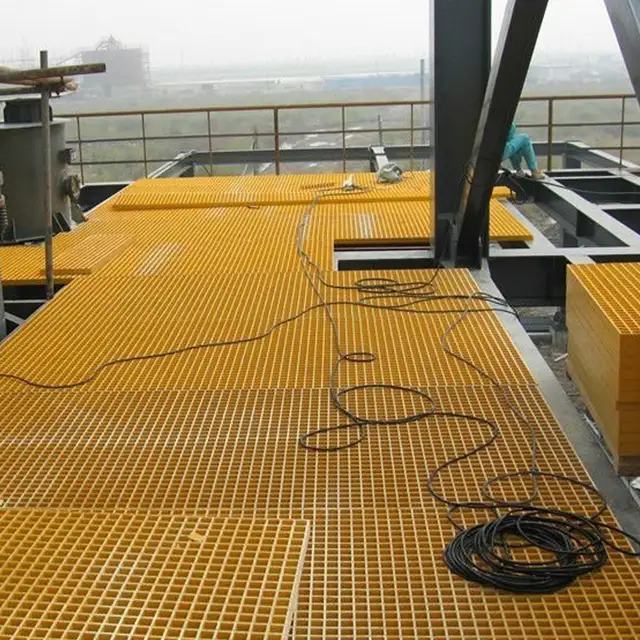
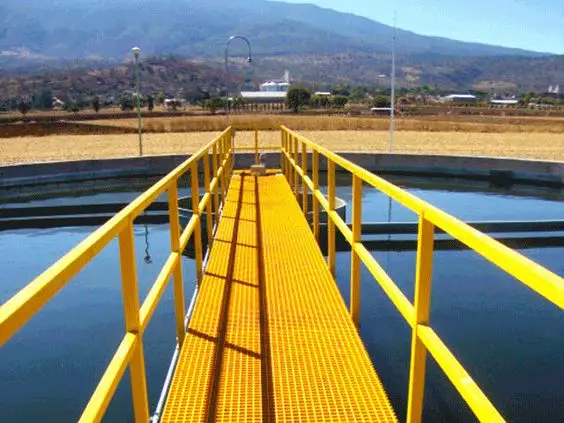
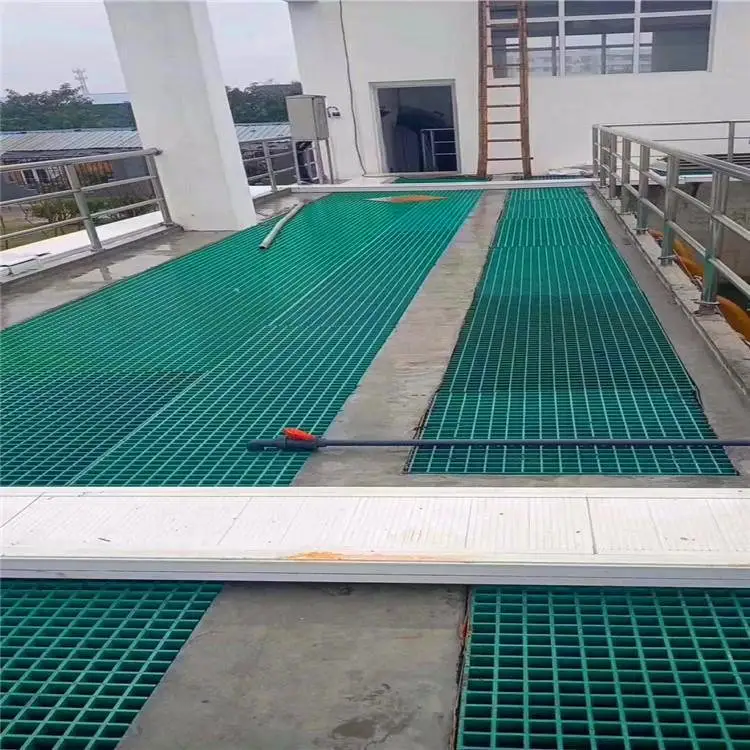
FRP offshore platform grating is a molded or pultruded composite grating system made from fiberglass reinforcement embedded in a resin matrix. It is specifically designed to provide safe, durable walkway surfaces, platform decking, and structural flooring on offshore oil rigs, production platforms, FPSOs, and related marine facilities. Unlike traditional steel or aluminum grating, this composite material is engineered to resist the corrosive effects of saltwater, chemical exposure, and UV radiation over decades of service.
Key Components and Manufacturing
FRP grating is manufactured using either a molded (compression-molded) or pultruded process. In the molded process, continuous glass fibers and a resin mixture — typically polyester, vinyl ester, or phenolic — are poured into a mold under heat and pressure to form a one-piece grating panel with an integral non slip FRP grating for offshore platforms surface. Pultruded grating, by contrast, is produced by pulling fiberglass rovings through a resin bath and then through a heated die, creating a strong, uniform cross-section with high directional strength. Both methods produce grating that meets stringent offshore industry standards.
The choice of resin system directly affects performance. Vinyl ester resins offer superior corrosion resistant FRP grating for offshore platform applications in highly acidic or alkaline environments. Phenolic resins provide enhanced fire resistance with low smoke emissions — a critical requirement for enclosed platform areas. The glass content typically ranges from 30% to 50% by weight, balancing strength, weight, and cost.
Common Applications in Offshore Oil and Gas
This grating system is used across a wide range of applications on offshore installations:
- Walkways and Catwalks: Primary pedestrian access routes between platform modules, offering safe, non-slip footing even when wet or oil-slicked.
- Platform Decking: Secondary structural deck surfaces around wellheads, processing equipment, and storage areas where corrosion resistance is critical.
- Stair Treads and Landing Platforms: Heavy-duty stair systems connecting multiple deck levels on rigs and production platforms.
- Helideck Perimeter Grating: Edge walkways around helicopter landing pads requiring high strength and fire resistance.
- Drainage Covers and Trench Grating: Flooring over drainage channels and sump areas where chemical exposure is frequent.
- Mud Pump and Drilling Floor Areas: High-traffic zones exposed to drilling muds, chemicals, and heavy impact loads.
Why Choose FRP Grating Over Steel for Offshore Oil Platforms?
When specifying materials for offshore oil and gas platforms, engineers consistently ask: why choose FRP grating over steel? The answer lies in four key advantages that directly impact safety, maintenance costs, and platform longevity. This FRP offshore grating vs steel offshore grating comparison highlights the practical differences.
Corrosion Resistance in Saltwater Environments
Steel grating, even when hot-dip galvanized or coated with protective paints, begins to corrode within months of exposure to the offshore marine atmosphere. Saltwater spray, high humidity, and temperature fluctuations create an aggressive corrosive environment that steadily degrades steel, leading to section loss, reduced load capacity, and eventual replacement. Corrosion resistant FRP grating for offshore platform applications, by contrast, is inherently immune to galvanic corrosion, rust, and chemical attack. The resin matrix completely encapsulates the glass fibers, preventing moisture ingress and eliminating the need for protective coatings. Offshore operators consistently report FRP grating service lives of 20 years or more with minimal maintenance, while steel grating in the same environment typically requires replacement every 5–8 years.
Non-Slip Safety for Harsh Offshore Conditions
Slips and falls are among the most common causes of injury on offshore platforms. Wet decks, oil spills, and marine growth create extremely hazardous walking conditions. Non-slip FRP grating for offshore platforms addresses this challenge directly. Molded FRP grating is manufactured with an integral grit surface — typically silica sand or aluminum oxide embedded into the resin during molding — that provides exceptional slip resistance even when the surface is wet or contaminated with hydrocarbons. The coefficient of friction remains consistently high throughout the product lifetime, unlike painted or coated steel surfaces that wear smooth over time. Many FRP grating products meet or exceed ASTM E303 and DIN 51130 slip-resistance standards, providing verifiable safety performance for offshore walkways.
Beyond corrosion resistance and slip safety, FRP grating weighs approximately one-third as much as equivalent steel grating. This weight reduction reduces structural loading on the platform substructure, simplifies handling during installation, and lowers transportation costs — particularly important for remote offshore locations where logistics are expensive and space is limited.
FRP Offshore Platform Grating Load Capacity Specs
Understanding the load capacity of composite grating is essential for safe design and specification. FRP grating is manufactured to support defined load classes, and proper selection depends on the intended traffic type, span configuration, and safety factors required by offshore regulations. Reviewing the FRP offshore platform grating load capacity specs provided by the manufacturer is the first step in any offshore grating specification.
Understanding Load Ratings and Industry Standards
FRP grating load capacity is typically expressed in terms of uniform distributed load (UDL) or concentrated load per unit area at a given deflection limit. Most offshore applications require deflection limits of L/100 or L/150 (span divided by 100 or 150) to maintain safe, rigid walking surfaces. Typical load ratings include:
| Grating Type | Span (inches) | Uniform Load (psf) | Concentrated Load (lbs) | Deflection Limit |
|---|---|---|---|---|
| Molded 1.5" thick | 24 | 250 | 500 | L/100 |
| Molded 2.0" thick | 30 | 350 | 750 | L/100 |
| Pultruded I-6000 (2") | 36 | 400 | 1,000 | L/150 |
| Pultruded I-8000 (2.5") | 42 | 500 | 1,200 | L/150 |
These load capacities are verified through ASTM D3846 (shear strength) and ASTM D790 (flexural properties) testing. Offshore platform designers should always consult the manufacturer's complete load tables for the specific resin system and glass configuration being specified.
Factors Affecting Load Capacity
Several variables influence the actual load capacity of FRP grating in offshore service:
- Resin type: Vinyl ester and phenolic resins offer different mechanical properties compared to standard polyester.
- Glass content: Higher glass-to-resin ratios increase stiffness and load capacity.
- Temperature: Elevated temperatures reduce the modulus of elasticity — a critical factor in tropical offshore environments.
- Support conditions: Continuous support across beams provides higher capacity than simple span configurations.
- Wet vs. dry: Some resin systems experience slight modulus reduction in continuous moisture exposure, which must be factored into design.
When comparing FRP offshore platform grating load capacity specs from different manufacturers, ensure you are comparing the same resin system, span length, and deflection criteria for an accurate assessment.
FRP Offshore Grating vs Steel Offshore Grating
The question of FRP offshore grating vs steel offshore grating comes up in virtually every offshore platform material selection process. While steel has been the traditional choice for decades, FRP offers compelling advantages that are reshaping industry specifications.
Lifespan Comparison in Saltwater
The most significant difference between composite and steel grating in offshore service is longevity. Steel grating exposed to the marine atmosphere of an offshore platform begins showing signs of corrosion within the first year. Pitting, rust staining, and coating failure progress rapidly, and structural integrity can be compromised within 5–8 years depending on location and maintenance frequency. In contrast, FRP offshore platform grating for oil and gas is inherently corrosion-resistant throughout its entire cross-section — not just on the surface. There is no coating to fail, no galvanizing to sacrifice, and no rust to manage. Operators consistently achieve 20-year service lives with composite grating in the same offshore environments where steel requires multiple replacements. When comparing FRP offshore platform grating vs steel grating — which lasts longer in saltwater? the answer is clear: FRP lasts 3–4 times longer in continuous saltwater exposure with far less maintenance intervention.
Cost Analysis Over Time
The initial purchase price of composite grating is typically 1.5 to 2.5 times higher than equivalent steel grating. However, a total cost of ownership analysis tells a very different story. Consider a typical offshore platform with 10,000 square feet of grating:
| Cost Factor | Steel Grating | FRP Grating |
|---|---|---|
| Initial material cost | ,000 | ,000 |
| Installation cost | ,000 | ,000 (lighter, no welding) |
| Maintenance (10 yr) | ,000 (re-coating, repairs) | ,000 (cleaning only) |
| Replacement (10 yr) | ,000 (1-2 replacements) | /bin/zsh |
| 10-year total cost | ,000 | ,000 |
Beyond direct costs, FRP grating reduces platform structural loading, simplifies logistics to remote offshore locations, and minimizes safety risks associated with hot work (welding, cutting) during installation and replacement. When these factors are included, composite grating consistently delivers the lower total cost over the design life of an offshore platform.
Fire Resistance Ratings of FRP Grating for Offshore Platforms
Fire safety is a paramount concern on offshore oil and gas platforms, where hydrocarbon fires represent one of the most serious operational hazards. Engineers and safety officers rightly ask: What are the fire resistance ratings of FRP grating for offshore platforms? Modern FRP grating formulations are available with certified fire-retardant properties that meet or exceed offshore industry requirements.
Fire-Retardant Grades and International Standards
FRP grating for offshore platforms is manufactured with fire-retardant resin systems that have been tested to international standards including:
- ASTM E84 (Steiner Tunnel Test): Class A flame spread rating (0-25) — the highest classification available, suitable for enclosed platform areas.
- IMO FTP Code Part 2: International Maritime Organization standards for smoke and toxicity — limiting smoke generation and maintaining oxygen levels during fire events.
- BS 476 Part 7: Class 1 fire propagation rating, commonly specified in North Sea offshore installations.
- NORSOK M-501: Norwegian offshore standard covering fire performance and durability in marine environments.
- Lloyd's Register Type Approval: Independent third-party certification for offshore fire performance.
Phenolic resin-based FRP grating offers the highest fire performance, producing minimal smoke and no burning drips when exposed to direct flame. These gratings maintain structural integrity for extended periods during fire exposure, providing critical evacuation time for platform personnel. Vinyl ester fire-retardant formulations offer a balance of corrosion resistance and fire performance suitable for most offshore applications. Standard polyester gratings are generally not recommended for offshore platforms where fire ratings are required.
It is important to note that FRP grating fire ratings are formulation-specific. Procurement specifications should explicitly require fire test certifications from the manufacturer for the specific resin system being supplied, not generic claims of fire resistance.
How to Install FRP Grating on Offshore Oil and Gas Platforms
Proper installation is critical to achieving the full performance and safety benefits of FRP grating on offshore platforms. The FRP offshore platform grating installation method differs significantly from steel grating installation and requires trained crews familiar with composite materials.
Standard Installation Methods and Hardware
There are three primary installation methods for FRP grating on offshore platforms, each suited to different structural requirements:
- Hold-down clips: The most common method for pedestrian walkways. FRP or stainless steel clips secure the grating to structural steel supports without penetrating the grating surface. Clips are typically spaced at 12–18 inch intervals along supported edges. This method allows for thermal expansion and simplifies future panel removal for equipment access.
- Countersunk bolt-down: Used in high-traffic areas or where additional security is needed. Holes are drilled through the grating panel at support points, and stainless steel bolts with countersunk heads are installed flush with the walking surface. Grommets or washers distribute the clamping force and protect the composite material.
- Adhesive bonding: In areas where drilling is not permitted or where a completely non-metallic installation is required (e.g., electrical substations), FRP grating can be bonded to FRP support beams using structural adhesives. This method requires careful surface preparation and proper curing conditions.
All hardware used in offshore FRP grating installation should be Type 316 stainless steel or FRP-compatible composite material to maintain the corrosion-resistant integrity of the system. Never use galvanized or carbon steel hardware with composite grating in offshore environments.
Safety Considerations During Installation
When implementing any FRP offshore platform grating installation method, several safety-specific considerations must be addressed:
- Cutting precautions: FRP grating generates fine dust when cut. Crews must use respirators and dust extraction systems to avoid inhaling glass fiber particulates. Wet-cutting methods can effectively control dust generation.
- Handling: Although FRP grating is lighter than steel, panels can be awkward to maneuver in windy offshore conditions. Proper rigging and team lifting protocols should be followed.
- Thermal expansion gaps: FRP expands and contracts more than steel with temperature changes. A minimum 1/8-inch gap should be maintained between adjacent panels and at fixed edges to prevent buckling or warping.
- Fall protection: During installation, open grating areas must be properly barricaded or covered to prevent falls through open spans — the same safety protocols as steel grating installation apply.
How Much Does FRP Offshore Platform Grating Cost?
Cost is always a central consideration in offshore procurement decisions. When operators ask how much FRP offshore platform grating costs for oil rigs, the answer depends on several project-specific variables. Understanding these cost factors helps in developing accurate budgets and comparing total cost of ownership against alternative materials.
Key Cost Factors for Offshore Projects
The price of composite grating varies based on the following parameters:
- Resin system: Standard polyester is the most economical, typically – per square foot. Vinyl ester adds a 20–30% premium. Phenolic fire-retardant resins can add 40–60% over polyester, but are required for enclosed platform areas with strict fire codes.
- Grating type and thickness: Molded grating is generally 15–25% less expensive than pultruded for equivalent load capacities. FRP offshore platform grating load capacity specs directly influence material cost — thicker panels rated for higher loads add roughly 20% to material price.
- Surface finish: Grit-top non-slip surfaces add approximately – per square foot but are essential for offshore safety.
- Quantity and lead time: Bulk orders (10,000+ sq ft) typically receive 10–15% volume discounts. Standard lead times of 6–8 weeks are typical, with expedited production adding cost.
- Certification requirements: Third-party certifications (Lloyd's, DNV, ABS) and project-specific fire testing add 5–10% to material cost but are mandatory for most offshore applications.
- Logistics to offshore location: The lightweight nature of composite grating (roughly 4–6 lbs per sq ft vs. 10–15 lbs for steel) significantly reduces shipping costs, particularly for remote offshore installations where helicopter or supply vessel transport is required.
As a general budgeting guideline, fully-certified FRP offshore platform grating with non-slip surface and fire-retardant vinyl ester resin typically ranges from to per square foot FOB factory, not including installation. For a complete budget, add 30–40% for installation hardware, stainless steel clips, and contractor labor.
Selection Guide for FRP Grating in Offshore Applications
Selecting the right grating system for offshore service requires careful evaluation of operating conditions, regulatory requirements, and performance expectations. Use this selection guide to match product characteristics to your specific offshore application.
Key Specifications to Consider
When evaluating composite grating for offshore platform use, the following specifications should be reviewed against project requirements:
| Specification | What to Look For | Why It Matters |
|---|---|---|
| Resin system | Vinyl ester or phenolic fire-retardant | Corrosion resistance + fire safety compliance |
| Glass content | 35-50% by weight | Higher glass = higher strength and stiffness |
| Surface finish | Embedded silica or aluminum oxide grit | Non slip FRP grating for offshore platforms |
| Fire rating | ASTM E84 Class A, IMO FTP Code Part 2 | Regulatory compliance for offshore platforms |
| Load rating | Match to traffic type | Structural safety and service life |
| UV protection | UV-inhibited resin or gel coat | Prevents surface degradation in sunlight |
| Certification | Lloyd's, DNV, ABS, or NORSOK | Third-party verification of offshore suitability |
Choosing the Right Resin System
The resin system is the single most important material selection decision for corrosion resistant FRP grating for offshore platform service:
- Vinyl ester: The preferred choice for general offshore use. Offers excellent corrosion resistance against saltwater, hydrocarbons, and drilling chemicals combined with good fire-retardant properties. Suitable for open-deck areas, walkways, and process areas.
- Phenolic: Required for enclosed or semi-enclosed platform areas where fire safety is the highest priority. Produces minimal smoke and toxic fumes during fire exposure. Ideal for accommodation modules, control rooms, and helideck perimeters.
- Polyester (fire-retardant): Suitable for low-risk exterior areas with budget constraints. Not recommended for areas with high chemical exposure or strict fire code requirements.
Working with a Reliable Manufacturer
Not all FRP grating manufacturers are qualified to supply offshore-grade products. When sourcing FRP offshore platform grating for oil and gas, verify that the manufacturer provides documented traceability, material test certificates, and third-party fire and load certifications. Request case studies of previous offshore installations and speak directly with their engineering team about your specific platform conditions. A qualified manufacturer will help you select the correct resin, profile, and installation method for your application rather than offering a one-size-fits-all product.
Conclusion
FRP offshore platform grating has proven itself as the superior material choice for walkways, decking, and structural flooring on offshore installations worldwide. Its inherent corrosion resistance eliminates the persistent maintenance burden of steel grating, while its non-slip surface improves crew safety in the most hazardous working environments. With certified fire-retardant grades meeting international offshore standards, composite grating can be specified with confidence across all platform zones — from open decks to enclosed process areas.
When evaluating materials for your next offshore project, look beyond initial material cost and consider the full lifecycle picture. The combination of longer service life, reduced maintenance, lower installation costs, and improved safety makes FRP grating a compelling investment for any oil and gas operator committed to operational excellence and crew protection.
For detailed specifications, load tables, and project-specific recommendations, consult with an experienced FRP grating manufacturer who understands the unique demands of offshore oil and gas platforms. The right product selection — tailored to your platform's specific conditions — will deliver reliable service for decades to come.